

A Wine-Lover’s Excursion from Lisbon
When our ship docked in Lisbon, I had one thing on my mind. Portugal is world-renowned for its viticulture, and I wasn’t about to leave without exploring the local vines. I booked the Arrabida Winery Tour through MSC ($56 per person), and while the day was packed with sights, the true heart of the journey was the liquid history found in the town of Azeitão.
The Journey to the Vines
The tour began with a dramatic drive across the 25th April Bridge (a dead ringer for the Golden Gate), leading us into the rugged beauty of the Parque Natural da Arrabida. While the national park is famous for its wildlife and mountain ridges, for a wine enthusiast, these hills represent something more: the unique microclimate that gives the Setúbal peninsula its distinct terroir. The winding roads offered stunning views of the Atlantic, the very ocean air that helps season the grapes in this region.
The Heart of Azeitão
We eventually arrived in Azeitão, a charming town that seems to live and breathe two things: pastries and wine. It’s the kind of place where you could happily lose an afternoon wandering from cellar to cellar.
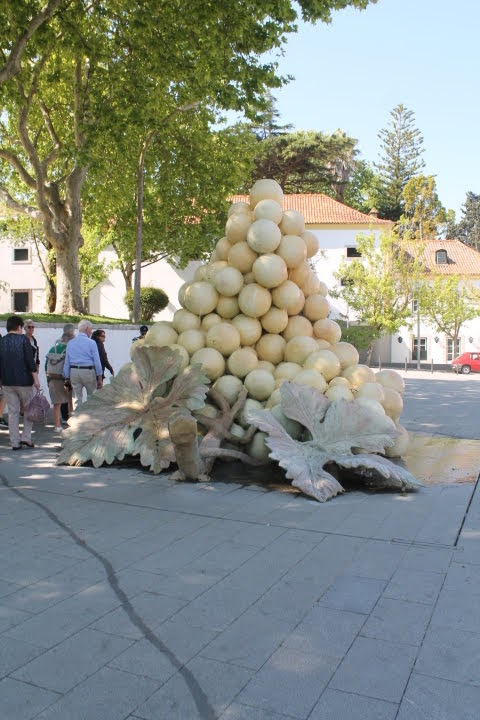
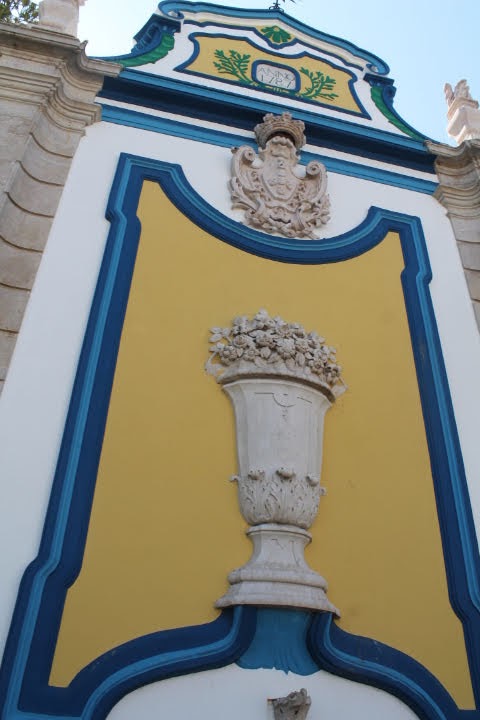
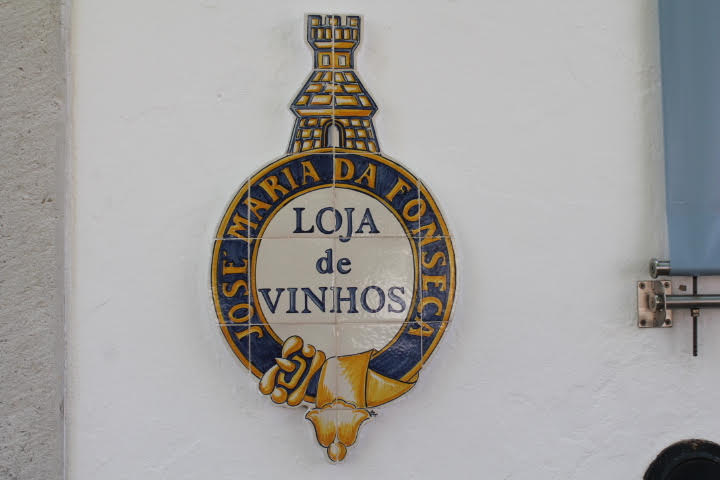
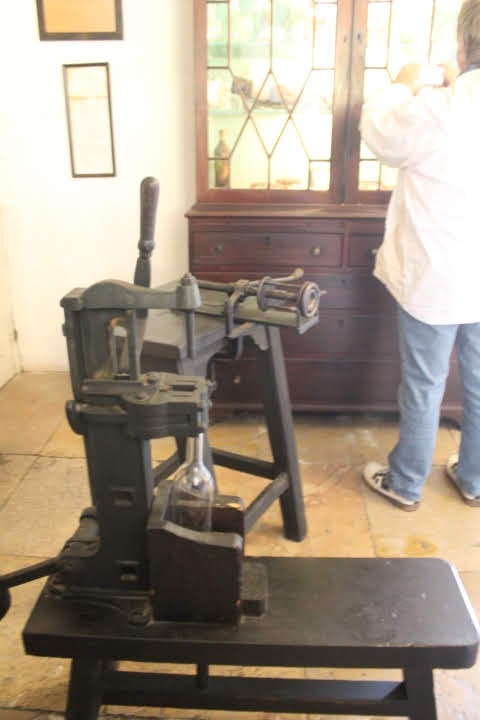
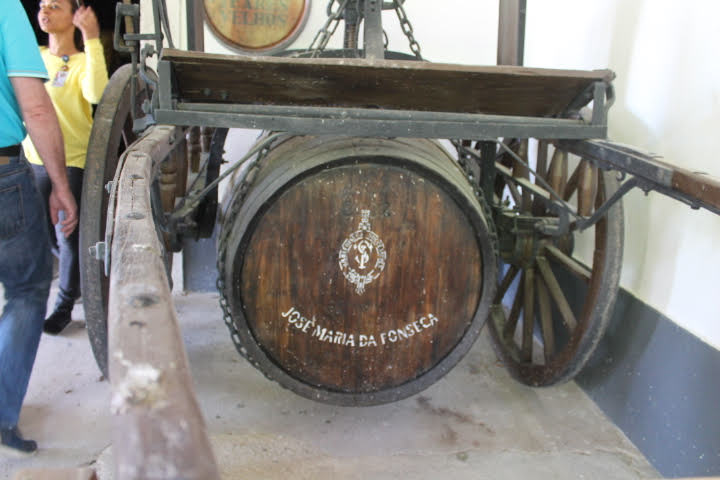
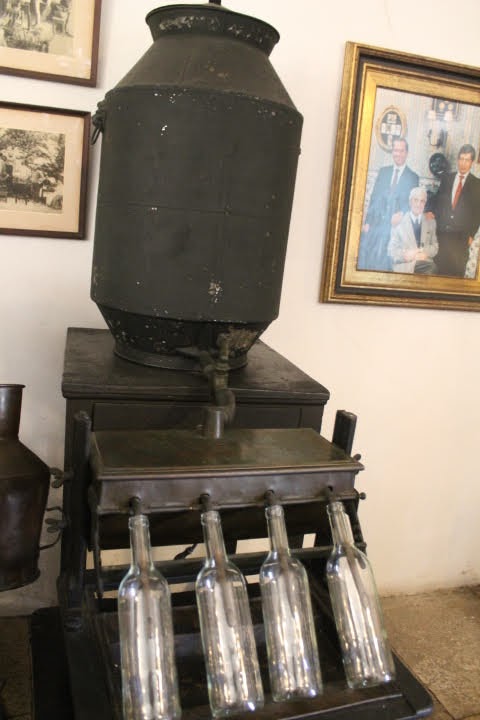
Our destination was a local wine lodge with deep roots in Portuguese history. The experience began with a deep dive into the heritage of the region. We were led through:
- The Vineyards: A walk through the small, manicured vines to see where the magic starts.
- The Cellars: This was the highlight. Walking into the cool, damp cellars, we encountered what they call “Liquid History.” They have an incredible archive—bottles of every single vintage ever produced, meticulously indexed and preserved behind iron gates. Seeing decades of winemaking history aging in one room was a powerful reminder of the craftsmanship involved.
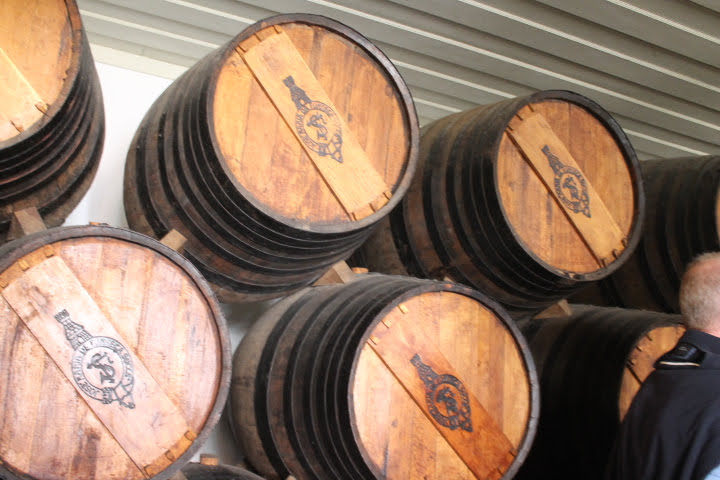
The Star of the Show: Moscatel de Setúbal
Finally, we reached the tasting room. The focus here is the Moscatel de Setúbal, a fortified sweet wine made primarily from the Muscat of Alexandria grape.
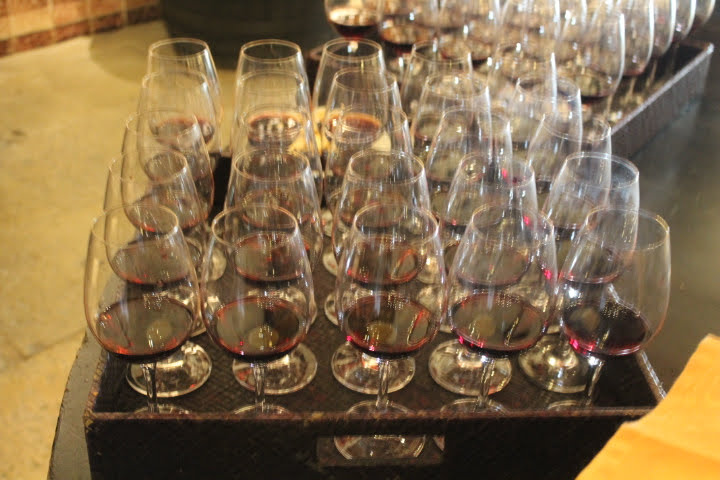
We were served two different vintages to compare how the wine evolves with age. Moscatel de Setúbal is known for its intense aroma—think orange blossom, honey, and apricot.
- The Verdict: Because these are sweet, aperitif-style wines, they are definitely a treat for those who love dessert wines. While they were a bit sweet for my personal palate, the complexity was undeniable (and the crackers provided were the perfect salty counterbalance!).
The Logistics (A Few Tips for Travelers)
While the wine was the star, the tour itself had a few “cruise life” quirks.
- The Price: At $56, it is an absolute steal for a cross-country drive, a guided winery tour, and a tasting.
- The Route: Our tour ran in reverse order of the description, hitting the National Park and the winery first before heading back to the “Christ the King” statue and Rossio Square.
- The Guide: Be prepared for multilingual tours. Our guide juggled German and English, though the English commentary was a bit “light” compared to the German.
Final Thoughts
If you find yourself in Lisbon and want to go beyond the standard city walking tour, head across the river to Setúbal. Whether you’re a serious collector or just someone who appreciates a glass of something sweet after dinner, the history and the cellars of Azeitão are well worth the bus ride.
We ended the day back at the ship just in time for an Easter dinner—and though I’d had my fill of Moscatel, I couldn’t help but notice the wine pairings at dinner with a new appreciation for Portugal’s local liquid gold.
Next stop: Vigo, Spain!
 Uncorked & Unpretentious
Leave a comment